
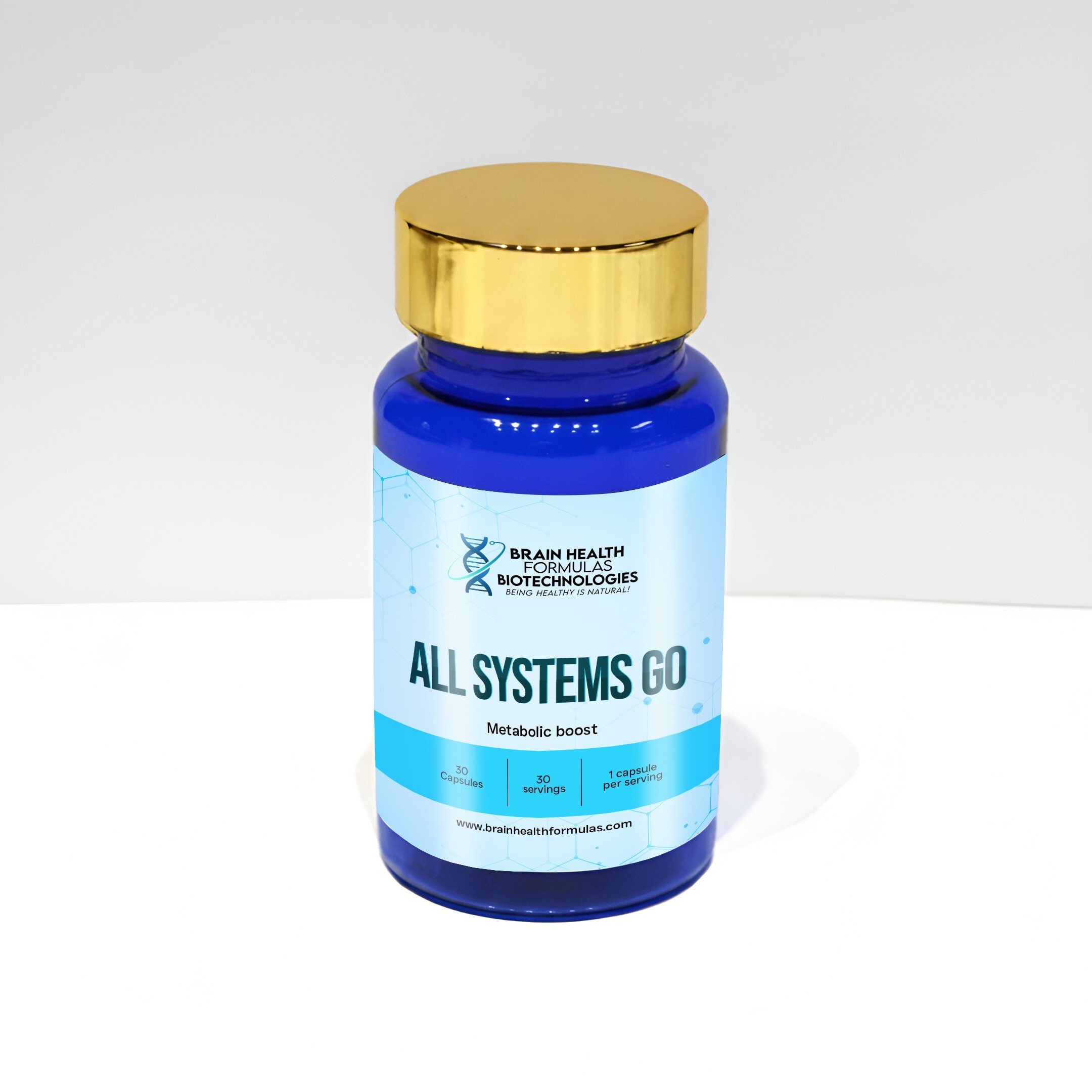
Description
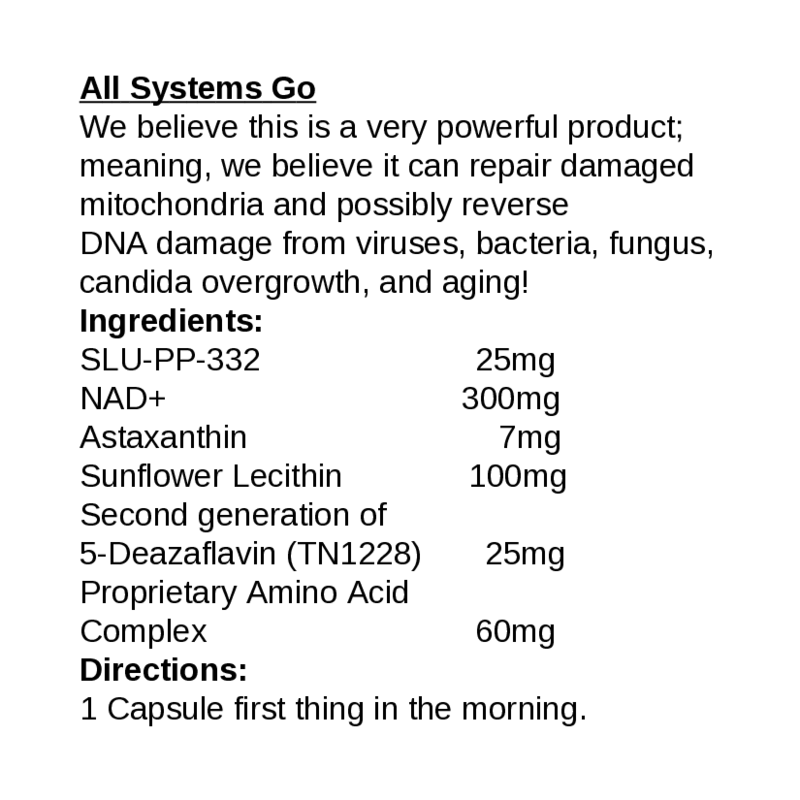
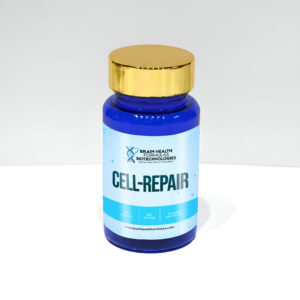
SLU-PP-332
SLU-PP-332, a pan-ERR agonist, has shown in preclinical studies to significantly repair, restore, and rejuvenate mitochondrial function in tissues like the heart and kidneys by mimicking the effects of exercise. It acts by promoting mitochondrial biogenesis and reducing oxidative stress, rather than direct DNA repair, but it may help reverse aging-related damage.
Key details on SLU-PP-332
- Mitochondrial Repair: Studies have shown it improves mitochondrial function, reduces age-related damage, and enhances fatty acid oxidation in metabolic syndrome models.
- Mechanism of Action: It acts as an agonist for the estrogen-related receptors (ERRs), specifically inducing an exercise-like gene signature (e.g., activating PGC-1).
- Target Areas: Research indicates potential for treating metabolic syndrome, heart failure, and renal dysfunction by increasing mitochondrial capacity.
- The compound has been shown to reverse damage, particularly in age-related metabolic decline, by strengthening mitochondrial quality, but it is not formally recognized for direct, targeted DNA repair.
NAD+
Key Aspects of NAD+ in Cellular Repair:
- DNA Repair: NAD+ is a crucial substrate for Poly (ADP-ribose) polymerases (PARPs), enzymes that act as “first responders” to detect and repair DNA damage. When DNA is damaged, PARP activity can consume up to 90% of a cell’s NAD+, leading to depletion.
- Mitochondrial Maintenance: NAD+ is critical for energy production and activates sirtuins, which regulate the recycling of old or damaged mitochondria.
- Aging & Disease: NAD+ levels decline with age, which compromises DNA repair and leads to mitochondrial dysfunction. Restoring NAD+ has been shown to improve mitochondrial function and enhance genomic stability
Astaxanthin
Yes, Astaxanthin is a potent antioxidant that protects and helps repair mitochondria and DNA by neutralizing reactive oxygen species (ROS), reducing oxidative stress, and supporting cellular energy production. It embeds into mitochondrial membranes to maintain their integrity, enhances mitochondrial function, and helps reverse existing DNA damage.
Key Mechanisms in Repair and Protection:
Mitochondrial support: Astaxanthin reduces mitochondrial fragmentation, supports the electron transport chain, and improves biogenesis, which helps restore energy production in cells.
DNA Repair It has been shown to reduce DNA fragmentation, chromatin condensation, and markers of damage (like -OHdG) by scavenging free radicals and promoting natural repair mechanisms.
Anti-Aging effects: By reducing mitochondrial dysfunction, it acts as a geroprotector, protecting against age-related cognitive decline and improving muscle function.
Clinical studies suggest it is particularly effective at protecting tissues with high energy demands, such as the heart, brain, and muscles, from oxidative damage.
5-Deazaflavin (TN1228)
Based on emerging scientific literature, 5-Deazaflavin (specifically derivatives like TND1128) is a novel compound that has demonstrated potential in supporting mitochondrial function and repairing cellular damage, particularly through antioxidant and NAD+ boosting mechanisms.
It is often described as a more efficient, direct-acting alternative or complement to NAD+ precursors like NMN in anti-aging research.
- Does 5-Deazaflavin Repair Mitochondria?
Yes, studies suggest 5-deazaflavin derivatives (e.g., TND1128) support mitochondrial health through several pathways:
- Mitochondrial Activation: It acts as a redox cofactor, facilitating the activation of mitochondria and supporting ATP synthesis.
- Reducing Oxidative Stress: It shows potent antioxidant properties, which help neutralize ROS (reactive oxygen species) that cause mitochondrial damage.
- Reversing Dysfunction: Research indicates it helps restore membrane potential in stressed mitochondria and protects cells against hydrogen peroxide-induced mitochondrial impairment.
- Does 5-Deazaflavin Repair Damaged DNA?
While 5-Deazaflavin is not a direct DNA-cutting repair enzyme (like PARP1), it contributes to DNA repair indirectly:
- Boosting NAD+ Levels: 5-deazaflavin significantly boosts NAD+ production in vivo. NAD+ is a crucial coenzyme required for sirtuin enzymes and PARP enzymes to function, which are essential for DNA repair.
- “Recycling” Action: It is suggested to improve NAD+ recycling, enhancing the efficiency of cellular repair processes that are hindered during aging.
- Cytoprotection: By protecting the cell (specifically the mitochondria) from oxidative stress, it prevents the further accumulation of DNA damage.
Directions:
1 Capsule first thing in the morning.
Some of our testers have taken additional dosage before lunch which compounds the benefits.



There are no reviews yet.