Description
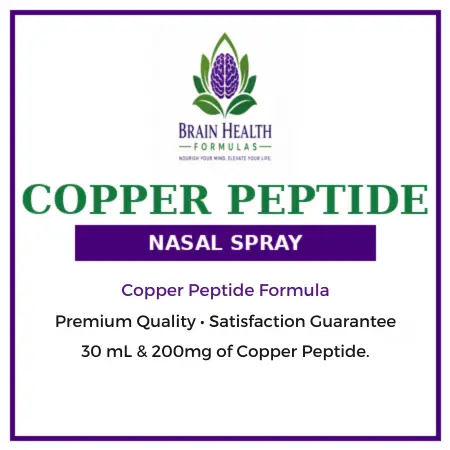
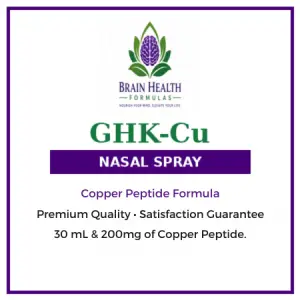
GHK-Cu (copper peptide) has been studied for its potential to influence stem cell activity. Research indicates that GHK-Cu can increase the proliferation of stem cells, allowing them to multiply more rapidly while maintaining their pluripotency—their capability to differentiate into various cell types. It may also promote stem cell migration without affecting their ability to differentiate.
GHK-Cu is arguably the most important peptide we as humans can consume. As we age, our ability to produce GHK-Cu (copper peptide) diminishes. In a nasal spray or injection form of GHK-Cu bypasses the intestinal tract and goes directly into the blood and mucos membrane drastically improving the utilization.
GHK (glycyl-l-histidyl-l-lysine) is a human copper-binding peptide with biological actions that appear to counter aging-associated diseases and conditions. GHK, which declines with age, has health promoting effects on many tissues such as chondrocytes, liver cells and human fibroblasts, improves wound healing and tissue regeneration (skin, hair follicles, stomach and intestinal linings, boney tissue), increases collagen, decorin, angiogenesis, and nerve outgrowth, possesses anti-oxidant, anti-inflammatory, anti-pain and anti-anxiety effects, increases cellular stemness and the secretion of trophic factors by mesenchymal stem cells. Studies using the Broad Institute Connectivity Map show that GHK peptide modulates expression of multiple genes, resetting pathological gene expression patterns back to health. GHK has been recommended as a treatment for metastatic cancer, Chronic Obstructive Lung Disease, inflammation, acute lung injury, activating stem cells, pain, and anxiety. Here, we present GHK’s effects on gene expression relevant to the nervous system health and function.
Features
- Premium Quality
- Secure Payments
- Satisfaction Guarantee
- Accurately Examined
Revolutionary




Reviews
There are no reviews yet.